
What are the Types of Contacts You Can Wear With Astigmatism?
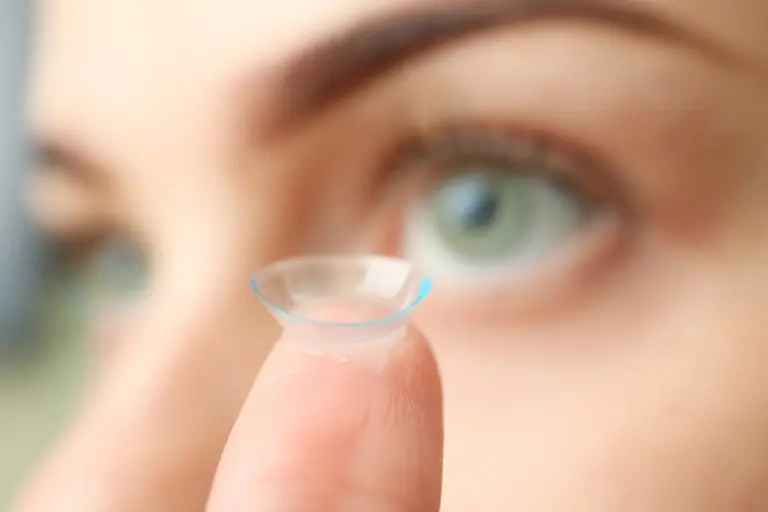
Astigmatism is a common vision health concern. It occurs when the cornea or lens of the eye has an irregular shape, which causes blurred or distorted vision. However, you don’t need to worry if you have this eye condition, as it is relatively manageable.
So, can you wear contacts with astigmatism to correct your vision? The simple answer is yes. You can wear contact lenses with astigmatism. However, it is essential to understand the different types of eyewear available for astigmatism and how to choose the right one. Let’s explore more!
Can You Wear Contact Lenses With Astigmatism?
Yes, you can wear contact lenses if you have astigmatism. Specially designed lenses called toric contact lenses correct the uneven curvature of your cornea or lens, allowing clear and stable vision.
People with mild to high astigmatism can wear contact lenses, depending on the severity of their prescription. Mild astigmatism typically ranges from 0.25 to 1.00 diopters, moderate from 1.00 to 2.00 diopters, and high astigmatism is usually above 2.00 diopters. While mild cases may sometimes manage with standard soft lenses, most individuals benefit from lenses specifically designed for astigmatism.
Toric contact lenses are the most commonly prescribed option, as they are designed to stay in a fixed position on the eye. Rigid gas permeable (RGP) lenses can provide sharper vision, especially in higher prescriptions. Hybrid lenses offer a combination of comfort and clarity, while scleral lenses are suitable for more irregular or severe cases.
With the right fit and prescription, contact lenses can be just as effective as glasses for managing astigmatism.
4 Types of Contact Lenses You Can Wear With Astigmatism
Here are 4 fantastic types of contact lenses, specifically designed to tackle this pesky vision health concern.
- Soft Toric Lenses: Soft toric lenses are the most common form of astigmatic contacts. They are made of soft, flexible material and can correct astigmatism in different meridians. Soft toric lenses are often comfortable to wear and give excellent vision correction. They are best suited for mild to moderate astigmatism, typically ranging from 0.75 to 2.25 diopters.
- Rigid Gas-Permeable Contact Lenses: Another alternative is rigid gas-permeable (RGP) contact lenses. These lenses comprise a stiff substance that lets oxygen pass through, resulting in healthier eyes. RGP lenses give clear vision and are especially beneficial for moderate to high astigmatism, usually above 1.75 diopters, where sharper vision is needed.
- Scleral Contact Lenses: Large-diameter lenses rest on the sclera, or the eye’s white area. These lenses vault over the cornea, ensuring a more secure fit and optimum vision correction. Scleral lenses are ideal for high or irregular astigmatism, typically above 2.50 diopters, or when the cornea has an uneven shape.
- Hybrid Contact Lenses: These lenses combine the advantages of soft and rigid gas-permeable lenses. They include a stiff center for improved vision correction and a smooth outside ring for more comfort. Hybrid lenses are a good option for moderate to high astigmatism, generally in the range of 1.25 to 3.00 diopters, especially for those who want both clarity and comfort.
Similar Read: What Are The 4 Types of Cataract Lenses?
Can You Wear “Normal” Contacts With Astigmatism?
Regular spherical contact lenses are not suited for those who have astigmatism. These glasses lack the essential correction for uneven corneal or lens shape. To maintain effective vision correction, it is critical to wear astigmatism-specific contact lenses.
Read our complete guide: What does Astigmatism Look Like?
Can You Use Colored Contacts With Astigmatism?
Yes! The good news is that you can use colored contacts with astigmatism. Colored lenses in toric designs are available. These lenses not only correct your eyesight but also let you change your eye color.
Are Contacts Better Than Glasses for Astigmatism?
Your preferences and lifestyle dictate whether you choose contacts or eyeglasses to be used to treat astigmatism. Contact lenses may be more convenient and provide a more extensive view range. Alternatively, you may like the simplicity and design of spectacles. Check with an optometrist or ophthalmologist to discover the suitable eyewear for your eye care needs.
What Are Some Pros and Cons of Wearing Contacts With Astigmatism?
Wearing contact lenses with astigmatism has clear advantages, but also a few limitations worth knowing before making a decision.
Pros of Wearing Contacts With Astigmatism
- Better peripheral vision — Unlike glasses, contact lenses sit directly on the eye, providing a wider, more natural field of view without frame obstruction.
- Aesthetic and lifestyle freedom — Contacts allow you to go frame-free, which many people prefer for appearance, sports, or active lifestyles.
- Consistent vision in varied conditions — Contacts don’t fog up, collect raindrops, or shift during physical activity the way glasses can.
- Wide availability — Toric lenses are now available in daily, biweekly, and monthly disposable options, giving users flexibility in how they manage their lenses.
- Compatible with most prescriptions — Modern toric and RGP lenses can correct mild to high astigmatism effectively, making contacts a viable option for most people.
Cons of Wearing Contacts With Astigmatism
- Higher cost — Toric lenses are more specialized than regular contacts and typically cost more, both in fitting fees and ongoing lens purchases.
- Fitting challenges — Toric lenses must stay correctly oriented on the eye to work. Finding the right fit can take multiple appointments and trial lenses.
- Rotation and stability issues — Some people experience occasional blurry vision if the lens rotates out of position, particularly during prolonged screen time or eye strain.
- Not suitable for everyone — People with severe or irregular astigmatism, dry eye conditions, or very sensitive eyes may find contacts uncomfortable or impractical.
- More maintenance required — Reusable toric lenses require careful cleaning and storage, and wearing them longer than recommended increases the risk of eye infections.
Read our complete guide: How to Take Care of Contact Lenses? 12 Best Tips
How Do You Choose the Best Astigmatism Contact Lenses?
Choosing the best contact lenses for astigmatism depends on your prescription strength, lifestyle, and eye health. The right lens is the one that provides clear, stable vision and feels comfortable throughout the day.
1. Start With a Comprehensive Eye Exam
Always begin with a thorough eye exam. An optometrist will measure your corneal curvature to determine which lens type and parameters suit your prescription best.
2. Understand Your Prescription
Your contact lens prescription for astigmatism includes three key values:
- Sphere (SPH) — corrects nearsightedness or farsightedness
- Cylinder (CYL) — indicates the degree of astigmatism
- Axis — defines the orientation of the astigmatism on your cornea
Understanding these values helps you and your eye doctor narrow down the most suitable lens options.
Read our complete guide: How to Read Your Eye Prescriptions Correctly?
3. Consider Your Lens Type Options
- Toric soft lenses — Best for mild to moderate astigmatism
- Rigid gas permeable (RGP) lenses — Better for higher prescriptions
- Hybrid lenses — Balance of clarity and comfort
- Scleral lenses — Ideal for irregular or severe astigmatism
4. Choose the Right Replacement Schedule
Toric lenses come in daily, biweekly, and monthly options. Daily disposables offer the most convenience, while monthly lenses are more cost-effective for full-time wearers.
5. Factor In Your Lifestyle
Active users should prioritize rotational stability, while those with long screen time or dry environments should look for high-moisture or silicone hydrogel lenses.
6. Trial Lenses Are Essential
Always try before you commit. Trial lenses confirm whether a lens aligns correctly, stays stable, and remains comfortable across different times of the day.
7. Consult Your Eye Care Professional
The best choice is always guided by a professional. Your eye care provider can recommend the right lens based on your unique eye shape, prescription, and health history.
Get a Contact lens exam for Astigmatism at InSight Vision Center in Fresno, CA
If you have astigmatism and are considering contact lenses, the first and most important step is a comprehensive eye exam. At InSight Vision Center, our experienced eye care specialists will evaluate your prescription, assess your corneal shape, and recommend the best contact lens option for your unique vision needs.
We offer advanced diagnostic technology and personalized care to ensure you get the most accurate fit, whether that’s toric soft lenses, RGP, hybrid, or scleral lenses.
With convenient locations in Fresno, CA, getting the clear, comfortable vision you deserve has never been easier.
Find your perfect contact lens fit for astigmatism
Get Comprehensive Eye Exam at InSight Vision Center in Fresno CA
FAQs- Contact Lenses for Astigmatism
Who should not wear contacts?
Contact lenses are not suitable for everyone. Dry eye illness and blepharitis can make wearing contacts unpleasant and dangerous. Wearing contacts can be challenging if you have severe nearsightedness or other refractive errors. Allergies or contact lens sensitivity can also prevent you from wearing them.How long does it take to get used to contact lenses?
It usually takes 10 to 12 days to become used to using contacts. You may suffer modest eye difficulties such as blurred vision, pain, and eye tiredness during this transition time. If these symptoms last longer than two weeks or your eyes get strained or infected, consult your eye doctor immediately.Do contacts correct astigmatism?
Yes, contact lenses can correct astigmatism. Toric lenses are specifically designed to compensate for the uneven curvature of the cornea or lens, providing clear and stable vision.Which are the most comfortable contacts for astigmatism?
Soft toric lenses, particularly daily disposable silicone hydrogel options, are generally considered the most comfortable for astigmatism.How do contacts correct astigmatism?
Toric lenses have two different powers built into them, one for astigmatism and one for nearsightedness or farsightedness. They are weighted at the bottom to stay correctly oriented on the eye, ensuring consistent and accurate vision correction.Do contacts for astigmatism feel different?
Not significantly. Most people adjust quickly and find toric lenses just as comfortable as regular contacts. Some may notice slight awareness during the initial adjustment period, but this typically fades within a few days.Can I wear astigmatism contacts without astigmatism?
Yes, but it is not recommended. Toric lenses are designed for a specific prescription, and wearing them without astigmatism can cause blurred vision, eye strain, and discomfort.What colored contact lenses should I get for astigmatism?
Colored toric contact lenses are available for people with astigmatism. Always get a valid prescription before purchasing.How much are contacts for astigmatism in California?
Contacts for astigmatism (toric lenses) in California typically cost between $50 and $150 per box, depending on the brand and whether they are daily or monthly disposables. Annual costs for both eyes often range from $300 to $800.This article is general information and isn't a substitute for an eye exam.