
LASIK vs LASEK: Clear Vision Choice Explained for Your Eyes
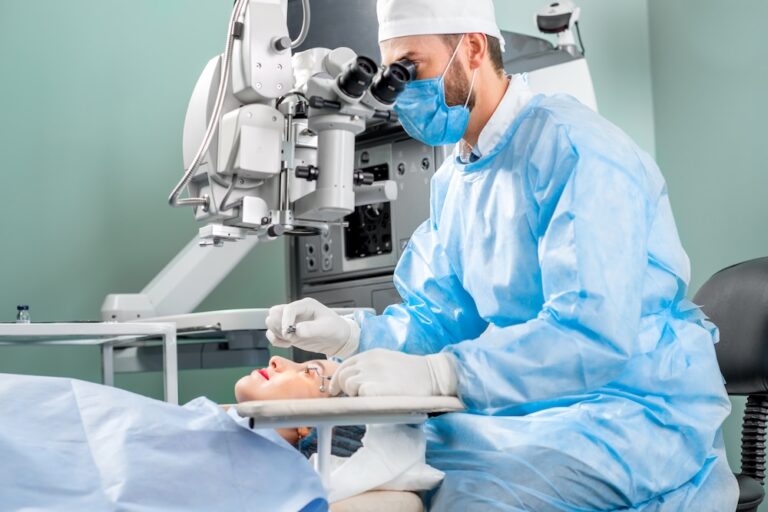
If you are considering laser eye surgery, understanding the difference between LASIK vs LASEK is crucial for making the best choice for your vision health. Both procedures use lasers to correct refractive errors like nearsightedness, farsightedness, and astigmatism.
However, they vary in technique, recovery, and suitability for certain patients. This guide explains the LASEK vs LASIK differences, benefits, procedures, and who is best suited for each, so that you can make an informed decision.
What is the Difference Between LASIK VS LASEK?
To help you understand which procedure may be right for your eyes, the table below highlights the key differences between LASIK vs LASEK:
| Features | LASIK | LASEK |
|---|---|---|
| Procedure | Corneal flap created and reshaped | Epithelial layer lifted and reshaped |
| Recovery Time | 1-3 days | 4-7 days |
| Pain/Discomfort | Minimal | Moderate (burning or irritation possible) |
| Corneal Thickness Requirement | Requires a thicker cornea | Suitable for thinner corneas |
| Visual Outcome | Rapid visual improvement | Gradual visual improvement |
| Risk of Complications | Slightly higher flap-related complications | Lower risk of flap complications |
| Cost | Usually slightly higher | Slightly lower |
| Ideal Candidate | Young adults with healthy corneas | Patients with thin corneas or dry eyes |
What is LASIK?
LASIK (Laser-Assisted in Situ Keratomileusis) is a popular laser procedure that reshapes the cornea to correct nearsightedness, farsightedness, and astigmatism. LASIK eye surgery offers fast recovery and improved vision with minimal discomfort.
What are the Benefits of LASIK?
LASIK provides several advantages for patients seeking effective vision correction:
- Fast Healing Time: Most patients notice significant improvement within a day or two.
- Quick Vision Recovery: Clear vision often returns rapidly, allowing normal activities sooner.
- Minimally Invasive: A precise laser reshapes the cornea without disrupting surrounding tissue.
- Minimal Discomfort: Patients usually experience little to no pain during and after surgery.
- Fewer Complications: Advanced techniques reduce the risk of side effects compared to older methods.
How Does LASIK Eye Surgery Work?
The LASIK procedure follows precise steps to ensure safety and effectiveness:
- Preoperative Evaluation: A Comprehensive eye exam determines your suitability for LASIK
- Anesthesia: When starting the surgery, first of all, topical anesthetic drops are used to numb the eye for comfort
- Creation of Corneal Flap: A laser or microkeratome forms a thin, hinged flap on the cornea
- Laser Reshaping of Cornea: An excimer laser reshapes the underlying tissue to correct vision
- Repositioning of Flap: The flap is placed back, allowing natural healing
Also Read: LASIK vs SMILE vs PRK to understand how these laser eye surgeries compare and which may be right for you.
What is LASEK?
LASEK (Laser-Assisted Sub-Epithelial Keratectomy) is ideal for patients with thin corneas or chronic dry eyes. Instead of creating a deep corneal flap like LASIK, LASEK lifts only the epithelial layer before reshaping the cornea, reducing flap-related risks.
What are the Benefits of LASEK?
LASEK offers unique advantages for certain patients:
- Suitable for Thin Corneas: Perfect for patients who cannot safely undergo LASIK due to a thin cornea.
- Better for Active Lifestyles: No corneal flap reduces risk during sports or physically demanding work
- Lower Risk of Dry Eye: Less corneal disruption preserves natural tear production
- No Flap-Related Complications: Avoids the risks associated with flap creation in LASIK
- Comparable Visual Outcome: Vision correction results are similar to LASIK over time
How Does LASEK Eye Surgery Work?
The LASEK procedure involves several careful steps:
- Consultation & Evaluation: At this stage, LASEK is recommended by your eye doctor.
- Numbing Drops: First of all, anesthetic eye drops are applied to your eyes to ensure no pain during the surgery
- Epithelial Flap Creation: A thin, circular flap is made, leaving it partially attached
- Alcohol Solution: A diluted solution loosens the epithelial layer
- Folding the Epithelium: The layer is gently moved aside to expose the cornea
- Laser Reshaping: The Excimer laser reshapes the corneal tissue to correct vision
- Epithelial Flap Repositioning: The flap is returned over the treated area
- Bandage Contact Lens: A soft lens protects the eye and supports healing
Also Read – LASEK vs PRK vs LASIK: What Is The Difference
LASIK vs LASEK Surgery: Which Laser Eye Surgery is Suitable for Whom?
Who Should Choose LASIK?
LASIK is generally recommended for patients who:
- Are at Least 18: Eye development is complete
- Have Stable Vision: Prescription has not changed recently
- Have Healthy Eyes: Free from infections or severe dry eye
- Sufficient Corneal Thickness: Thick enough to safely create a flap
- Have Realistic Expectations: Understand recovery and outcomes
- Are in Good General Health: Overall wellness supports healing
Read: Who Is a Good Candidate for the LASIK Procedure? to learn if LASIK is the right choice for your vision needs.
Who Should Choose LASEK?
LASEK is ideal for patients with:
- Thin Corneas: That cannot safely undergo LASIK
- High Myopia: Requiring precise correction
- Contact Sports or Risky Occupations: Where a corneal flap may be unsafe
- Chronic Dry Eyes: Not suitable for LASIK surgery
- Asymmetric Topographies: Or irregular corneal shapes
Read related: ICL vs LASIK to compare these vision correction options and find out which procedure may suit you best.
Get Proper Treatment Guidance at InSight Vision Center
At InSight Vision Center, our expert ophthalmologists conduct thorough eye examinations to determine the most suitable procedure for your specific vision needs. We provide personalized treatment plans that focus on comfort, recovery, and long-term eye health.
New patients can take advantage of a free LASIK consultation to make an informed decision about laser eye surgery.
Book Your Appointment Today
Choosing between LASIK vs LASEK depends on corneal thickness, eye health, lifestyle, and personal preference. Both procedures are safe, effective, and capable of providing long-lasting vision correction.
By consulting the experienced doctors at InSight Vision Center, you receive guidance tailored to your eyes and lifestyle, ensuring the best outcome for clear vision.
Frequently Asked Questions (Faqs)
Which surgery is better suited for those who lead active lives or participate in contact sports?
Because LASEK eliminates the possibility of a corneal flap coming loose during impact, it is safer.After LASIK or LASEK surgery, are there any limitations on lifestyle?
Both procedures call for limiting physically demanding activities, refraining from eye rubbing, and refraining from driving until vision satisfies legal requirements. The restriction period for LASEK is longer.How do doctors determine if a patient would benefit more from LASEK or LASIK?
Candidacy depends on corneal thickness, prescription strength, eye health, and lifestyle. To suggest the best course of action, surgeons conduct evaluations.Can astigmatism, farsightedness, and nearsightedness be corrected with LASIK or LASEK?
Yes, these vision issues are successfully corrected by both procedures.Are the outcomes of LASEK and LASIK permanent?
Both provide long-lasting vision correction by permanently changing the cornea's shape.Is LASEK safer than LASIK for a boxer?
Indeed, LASEK lowers the chance of injuries related to flaps. A skilled ophthalmologist should help make the final decision by taking recovery and vision requirements into account.Key Takeaways
- LASIK vs LASEK are both laser procedures to correct vision, but they differ in technique, recovery, and suitability.
- LASIK is ideal for patients with thicker corneas seeking faster recovery and minimal discomfort.
- LASEK works well for thin corneas, dry eyes, or active lifestyles, with lower flap-related risks.
- Understanding the LASIK vs LASEK difference helps you make informed decisions with your ophthalmologist.
- InSight Vision Center provides personalized guidance, expert care, and free LASIK consultations.
This article is general information and isn't a substitute for an eye exam.