
Cataract Surgery for Both Eyes: How Long Should You Wait?
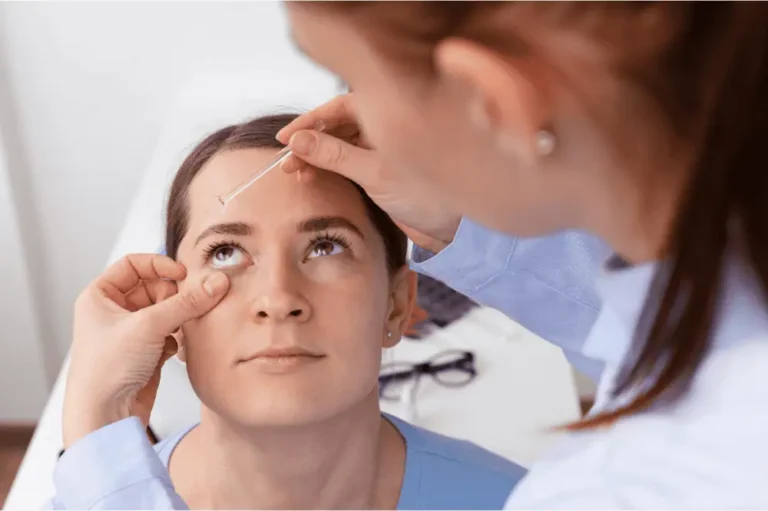
Have you been noticing cloudy or blurry vision that makes reading, driving, or even watching TV harder? This could be a sign of cataracts. Cataracts happen when the clear lens in your eye becomes cloudy, making everything look foggy or dull. The good news is that cataract eye surgery can help you see again. But if both your eyes need surgery, you might be wondering, How long should you wait between surgeries?
Let’s make this simple and easy to understand.
Quick Answer
Doctors typically wait 1 to 4 weeks between cataract surgery on each eye. Both eyes aren’t operated on at once, since treating one at a time limits complication risk and lets your doctor confirm the first eye is healing well before scheduling the second. The exact gap depends on your healing, overall health, and daily vision needs.
How Long Between Cataract surgeries on Each Eye?
Doctors suggest waiting 1 to 4 weeks between cataract surgery on each eye. This is the typical window recommended, though your exact timeline depends on you.
Here’s how it works. After your first eye surgery, your doctor watches how well it heals. They check your vision, look for any signs of irritation or complications, and make sure your eye is stable. Once everything looks good, they’ll schedule surgery for your second eye.
This waiting period isn’t just a formality, it’s there for your safety and comfort. A short gap gives your eye enough time to settle while keeping you from living too long with unequal vision between your two eyes.
Bottom line: Doctors suggest roughly a month between surgeries, but let your doctor’s assessment of your healing guide the exact date, not a fixed calendar.
Why Doctors Suggest to Wait Between Cataract Surgeries?
You might wonder if cataract surgery for both eyes at once is possible. Well, cataract surgery in both eyes at once is generally not recommended. Doctors prefer to operate on one eye at a time.
Here’s why:
-
Minimized Risk
Every surgery carries a small chance of complications. By doing one eye at a time, if something unexpected happens, it only affects that one eye. Your other eye stays safe and unaffected.
-
Post-Surgical Monitoring
Everyone’s body responds differently to surgery. Waiting lets your doctor see exactly how your first eye is recovering before deciding when, and how, to move ahead with the second.
-
Patient Comfort
Recovery brings some temporary side effects, like blurriness, dryness, or light sensitivity. Adjusting to these changes in one eye at a time is far more manageable than facing them in both eyes together
Also Read – 7 Things Need to Know About Cataract Surgery
What Affects This Waiting Time?
The gap between your first and second cataract surgery depends on several key factors. Doctors look at these carefully to keep you safe, comfortable, and ensure the best results. It’s not a fixed schedule; it’s customized for you.
-
Healing of the First Eye
Your first eye needs time to heal before the second surgery. During this time, your doctor checks your vision, looks for any issues, and makes sure everything is going well. Once your eye is stable and healing properly, they’ll plan the second surgery.
-
Patient’s Medical Condition
Your overall health affects how long you’ll wait between surgeries. Conditions like diabetes, high blood pressure, or immune problems can slow healing. If you have these, your doctor might suggest more recovery time to keep you safe and ready for the next surgery.
-
Lifestyle Needs
Your daily activities can affect the timing of your second surgery. If you need clear vision for work, driving, or detailed tasks, your doctor might schedule the second surgery sooner. If not urgent, they may suggest waiting longer for better healing and comfort.
-
Surgical Outcome
How well your first surgery goes affects when the second will happen. If healing is smooth with no problems, the second surgery can happen sooner. But if there are any issues or extra treatments needed, your doctor will wait longer before scheduling the next one.
-
Overall, Health
Your overall health and recovery speed also help in deciding the timing. Things like your age, immune strength, and how well you heal after the first surgery matter. Your doctor will make sure your body is ready so the second surgery is safe and successful.
Read Related – Types of Cataract Lenses
Why InSight Vision Center is the Best Choice for Your Cataract Surgery?
At InSight Vision Center, we understand that cataract eye surgery is a big step. We use advanced technology and provide personal care for each patient.
Starting with a detailed eye check-up and then creating a plan just for you. Our experienced doctors will perform safe and precise surgery, and we’ll guide you through recovery. If you’re thinking about cataract surgery for both eyes, we’ll help you every step of the way.
Ready to take the first step?
Schedule your cataract consultation today at InSight Vision Center.
FAQs – Cataract Surgery for Both Eyes: How Long Should You Wait?
Which eye is done first in cataract surgery?
Usually, the eye with the more advanced cataract is done first. Your doctor will help decide which eye needs cataract eye surgery first for the best results.Does cataract surgery on one eye affect the other?
No, it doesn’t directly affect the other eye. But you may feel a temporary imbalance between your eyes until your 2nd eye cataract surgery is done.Why is my eye blurry 3 years after cataract surgery?
Blurry vision years later could mean posterior capsular opacification (PCO). This is common and easily fixed with a simple YAG laser procedure.What is the recovery time for cataract surgery?
Most people notice better vision in a few days, but full recovery takes 4 to 6 weeks. During this time, follow your doctor’s advice and use the prescribed eye drops.Can cataract surgery be done twice on the same eye?
Cataract surgery removes the cloudy lens permanently, so it’s not done twice on the same eye. But if vision becomes blurry again, you might need a quick laser treatment, not another surgery.This article is general information and isn't a substitute for an eye exam.